
The Psychology of Passwords: Why Humans Are Terrible at Creating Them
Even when we try to be random, our brains follow patterns. Explore the cognitive biases that make human-generated passwords a hacker's dream.
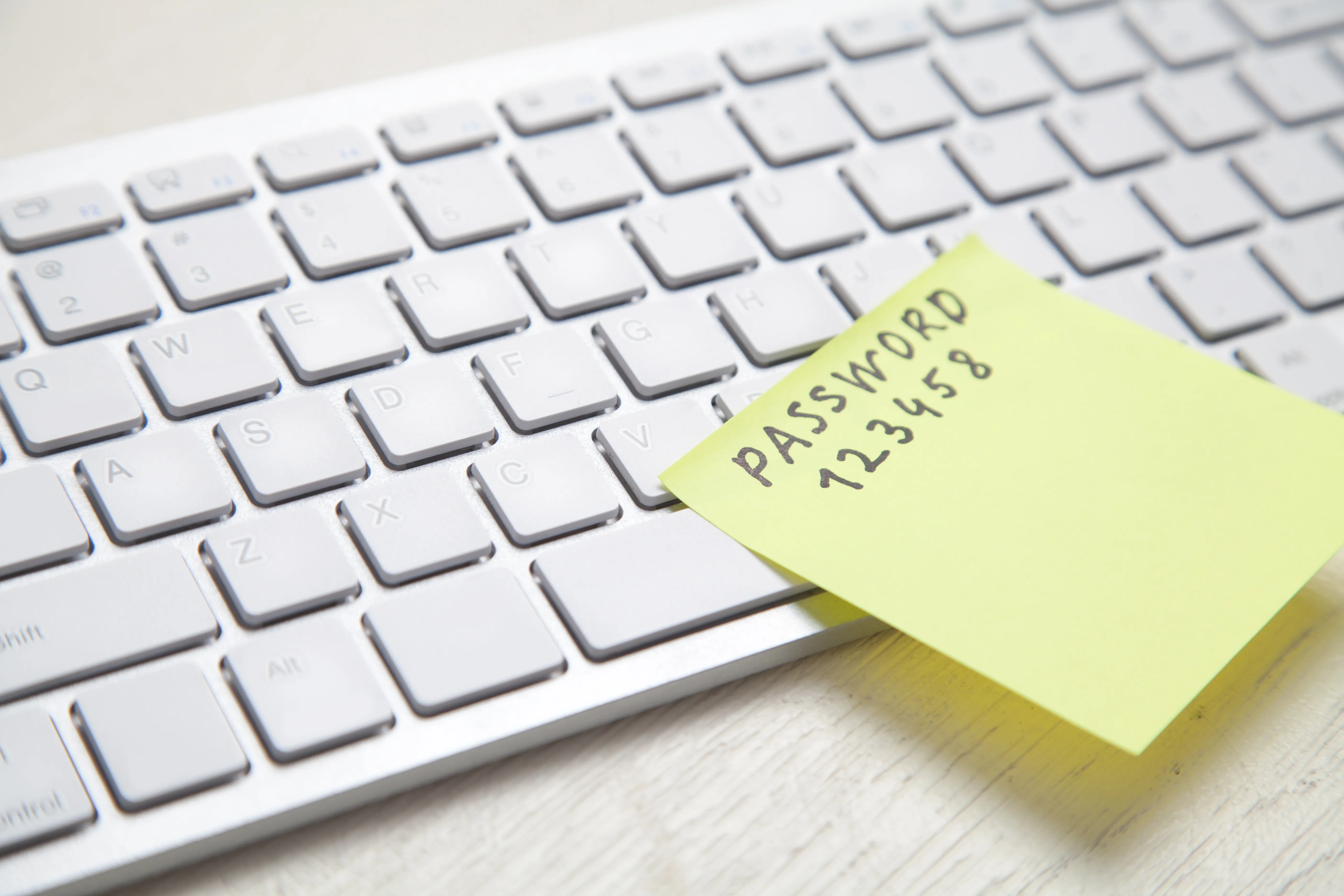
The Illusion of Randomness
Ask a human to pick a "random" number between 1 and 100, and they will disproportionately choose 37 or 73. We hate "boring" numbers like 50, 0, or 100 because they feel too structured. This same psychological flaw—our inability to generate true entropy—is why human-created passwords are a hacker's dream. We think we are being creative, but we are actually being statistically predictable.
1. The "Anchoring" Effect and Cognitive Ease
Our brains are designed to conserve energy. Creating something truly new is hard work (cognitive load), so we anchor our passwords to things that are already in our long-term memory: names of pets, children, favorite sports teams, or birth years. Even when we try to "harden" these words, we do it in predictable ways. For example, if a site requires a capital letter and a symbol, over 90% of humans will capitalize the first letter and put the symbol (usually "!") at the very end. We aren't being secure; we are taking the path of least resistance.
2. The "Keyboard Walk" and Physical Memory
Our fingers have a memory of their own. When forced to create a password on the spot, we often follow physical patterns on the keyboard layout. qwerty is the famous one, but others like 1q2w3e (zig-zag), asdfgh (middle row), and mnbvcxz (bottom row backwards) are just as common. Hackers use "Keyboard Walk" dictionaries that test these physical shapes in milliseconds. A password that "looks" complex to you because it has many letters might be one of the first 1,000 guesses for an automated tool because it follows a straight line on your laptop.
3. Visual Biases: The "Leet Speak" Trap
We often think substituting letters for characters that look similar—like 0 for O, 3 for E, or 5 for S—makes a password secure. This was true in 1995, but today it's a liability. Modern cracking tools like Hashcat have "rules" that automatically test every possible visual substitution. Your "clever" P4ssw0rd! is no more secure than password to a machine; it just takes a few extra CPU cycles to crack.
4. The Zeigarnik Effect and Password Stress
Psychology also explains why we hate changing passwords. The Zeigarnik Effect states that humans remember uncompleted or interrupted tasks better than completed ones. A complex password that you have to "remember" feels like an open loop in your brain, causing background stress. To close this loop, we simplify. We reuse the same password across 10 sites because it provides "cognitive closure"—one simple thing to remember for everything.
Why We Need Tools, Not Brains
Computers are excellent at generating entropy (pure randomness). Humans are excellent at generating patterns. In a battle between a pattern-seeking hacker (using AI and GPU clusters) and a pattern-creating human, the hacker wins every time. This is why using a Password Generator is the single most important security habit you can develop. It removes the human element from the equation entirely.
A machine-generated password like &7j$K9#mP2!nR4 has no "anchor," no "keyboard walk," and no "visual bias." It is a wall of digital noise that no human brain could ever produce, and more importantly, no human brain can predict.
Test Your Own Patterns
If you're still skeptical, try entering your "strongest" human-created password into our Password Tester. You might be surprised to see how quickly a GPU cluster can guess the patterns you thought were unique to you. The first step to true security is admitting that your brain is the wrong tool for the job.